An Insider's View
Analyst, writer, lecturer, and terrorism expert, Farhana Qazi (formerly Ali) searches for the truth in forbidding landscapes. Her expertise bridges several realms, coming from her years working in the national security field and her personal life experience within Muslim communities.
LEARN ABOUT FARHANA'S BACKGROUND HERE
"No two conflicts in the Muslim world are alike." - Farhana Qazi
PBS Newshour:
Death of Bin Laden
Al-Jazeera English:
Suicide Bombers
In the News
- Why is There No Revolt in Pakistan?, from Reuters, May 11, 2011
- Q&A Discussion with Reuters' Myra MacDonald, from Reuters, May 10, 2011
- What's Next for Al-Qaida?, from PBS Newshour, May 5, 2011
- We Need a New Pakistan-US Relationship, from Reuters, May 4, 2011
- Transcript from PBS Newshour Interview, from PBS Newshour, May 2, 2011
- Who Represents American Muslims? No One, from the Washington Post, August 30, 2010
- Militants on the Move in Pakistan, from Foreign Policy magazine, August 27, 2010
Excerpt from Current Research: Why Women Kill
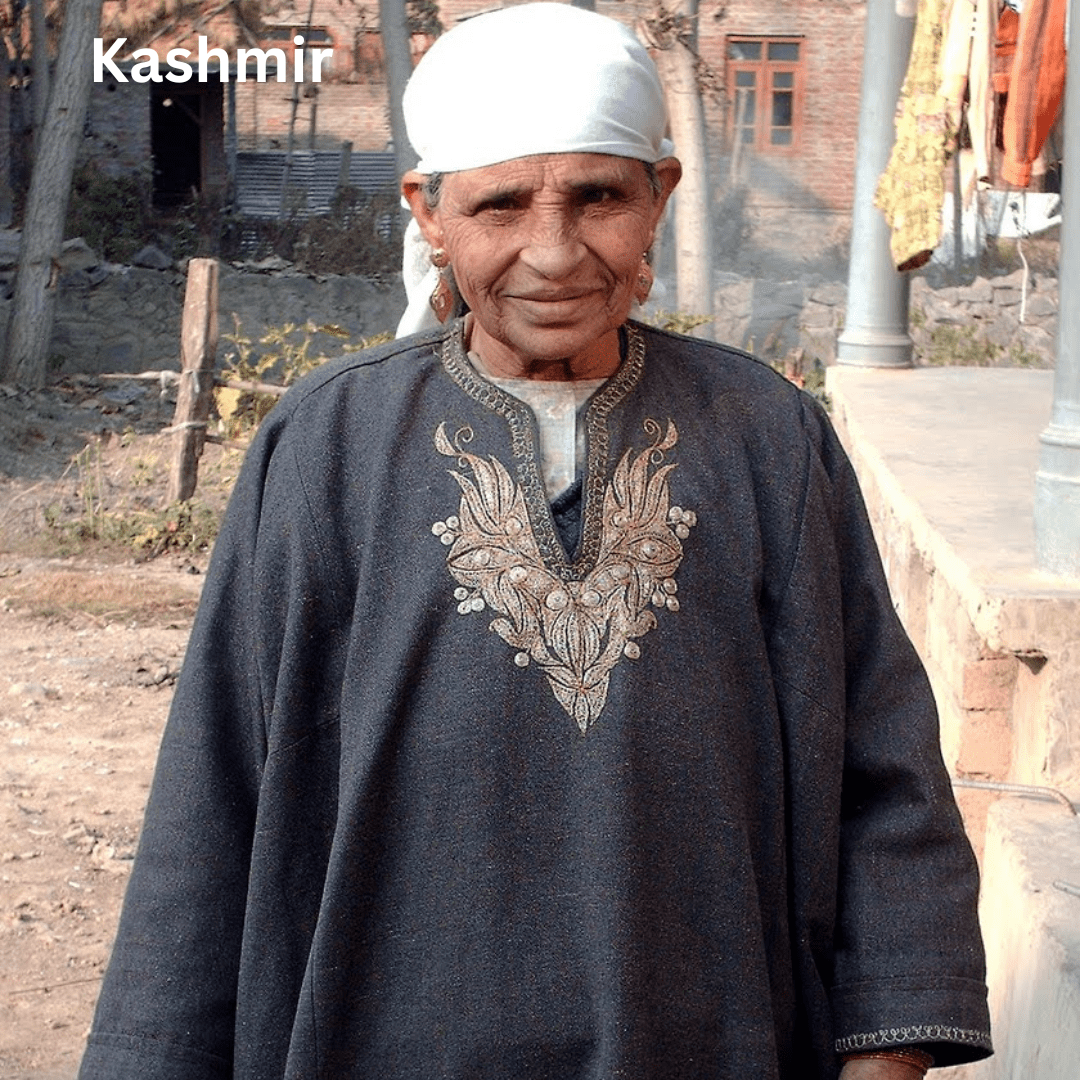
"...Women donned in the black burqa (Urdu word for veil) chant slogans of azaadi (freedom) as they march the streets of Srinagar City. During the protest, a group of women shout,“Return our land! We are with Pakistan!. You have no place with the Muslims! You are the kuffar (infidels)!”.
The women wear bright green headbands with white Arabic handwriting bearing the shahada the Islamic profession of faith La illaha ill Allah, Muhammadur Rasul Allah (There is no God but God and Muhammad is the Messenger of God.) The banner is a symbol of identity and resistance. It is an emblem of Islam that is worn by men and women all across the Islamic world to display their strength and solidarity.
Ancient History, Modern Girls
Washington Post Travel Section, March 30, 2008
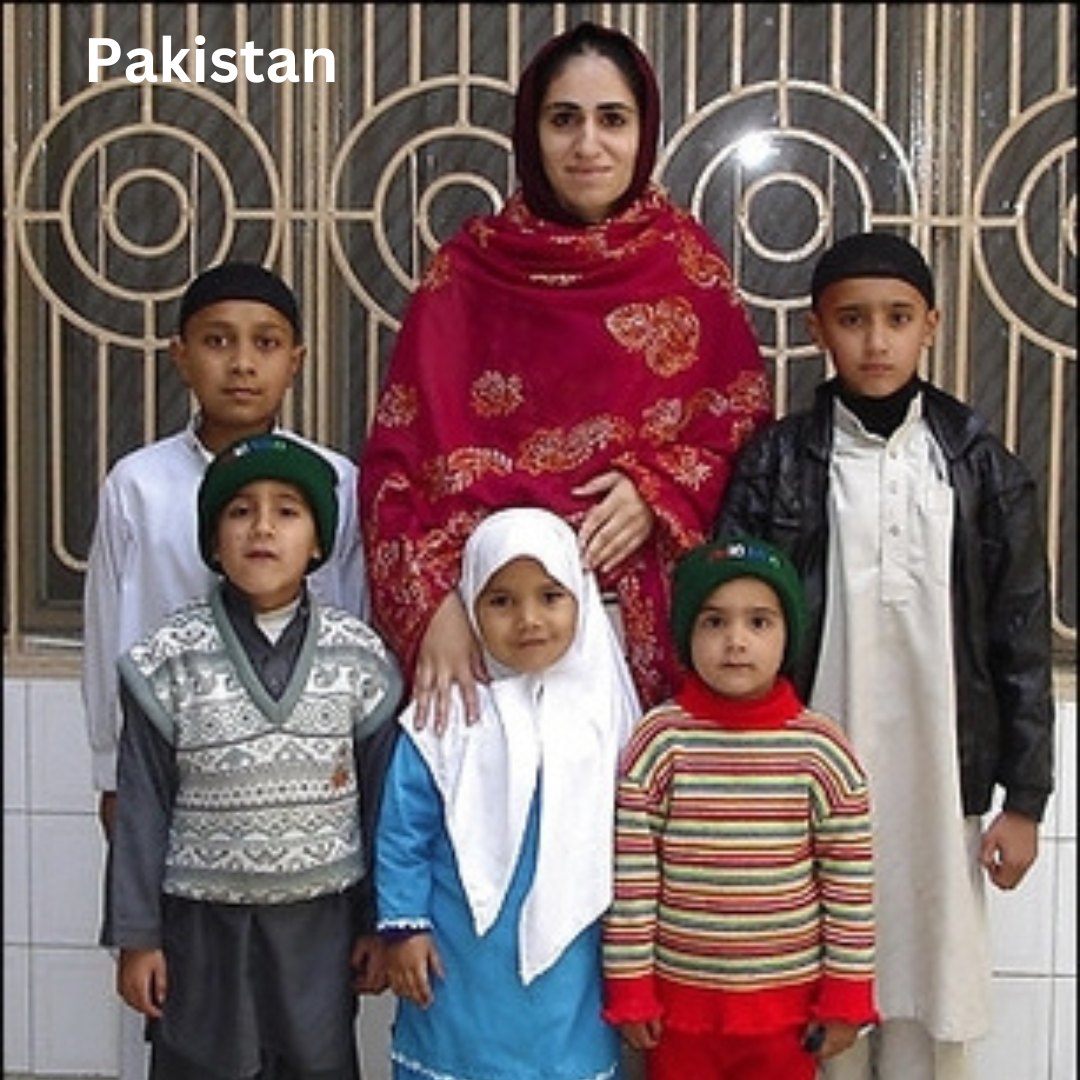
I've been fascinated by the way girls are treated in Pakistan since I was a girl myself and traveled there to visit extended family. Still, I never quite understood their predicament until I stepped inside a madrasa in
Quetta in 2005. "I realized that there was nothing for these girls," the local imam told me. "When the madrasa opened, I convinced the men — mostly of Afghan origin — to allow their girls an education."
An encounter with these young women was like reliving ancient history. Behind the iron gates, girls as young as 8 memorized the Koran; they also mended clothes and cooked their own food. "Don't you want to see life outside of the school?" I asked a young teacher. Her response still stings me: "Of course we have desires, but we learn to suppress them."
I've been fascinated by the way girls are treated in Pakistan since I was a girl myself and traveled there to visit extended family. Still, I never quite understood their predicament until I stepped inside a madrasa in
Quetta in 2005. "I realized that there was nothing for these girls," the local imam told me. "When the madrasa opened, I convinced the men — mostly of Afghan origin — to allow their girls an education."
An encounter with these young women was like reliving ancient history. Behind the iron gates, girls as young as 8 memorized the Koran; they also mended clothes and cooked their own food. "Don't you want to see life outside of the school?" I asked a young teacher. Her response still stings me: "Of course we have desires, but we learn to suppress them."